
WELCOME TO ASP SYMPOSIUM PAGE
Register to be among the first Healthcare Professionals to get access to the Symposium Recording and Ebook
25th WFHSS World Sterilization Congress
Santiago-Chile
Santiago-Chile
WELCOME TO ASP SYMPOSIUM PAGE
Register to be among the first Healthcare Professionals to get access to the Symposium Recording and Ebook
25th WFHSS World Sterilization Congress
Santiago-Chile
Santiago-Chile
SPEAKERS

Anaclara Ferreira Veiga Tipple, PhD
Professor at the Federal University of Goiás
Goiás, Brazil

Challenges in Cleaning Process

Ivan Salgo MD, MS, MBA
ASP Medical & Scientific Affairs Chief Officer
Boston, United States
Margin of Safety

Philippe Destrez MSc, MBA
ASP Scientific Director
France
ISO 22441

Christine Denis PhD
President, WFHSS
France
Education and Guidelines
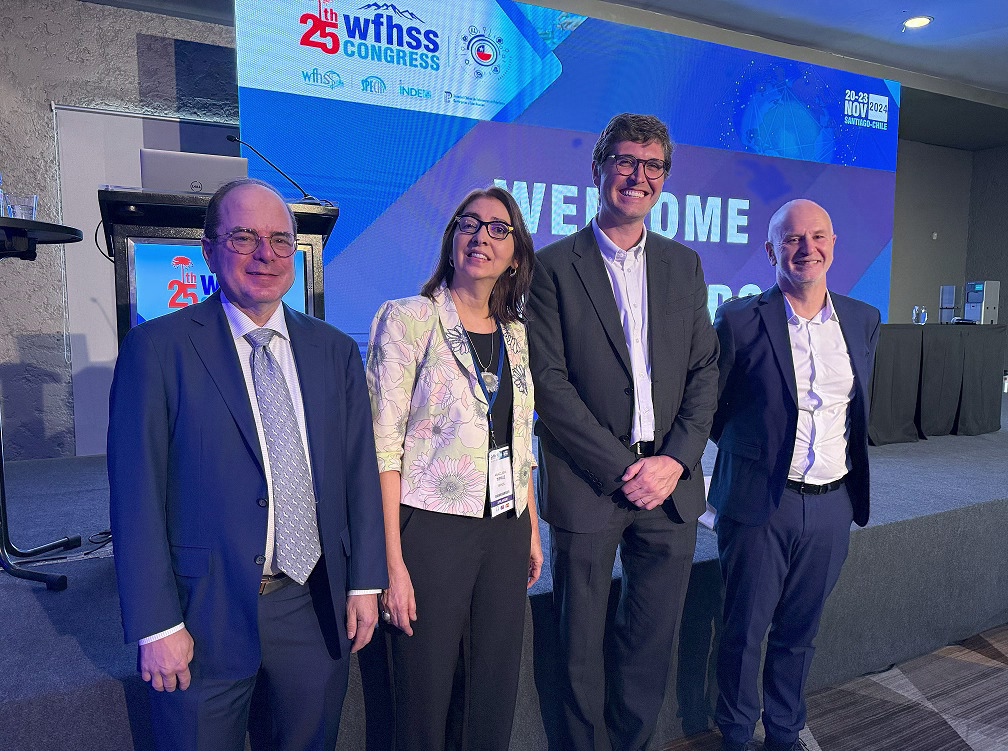
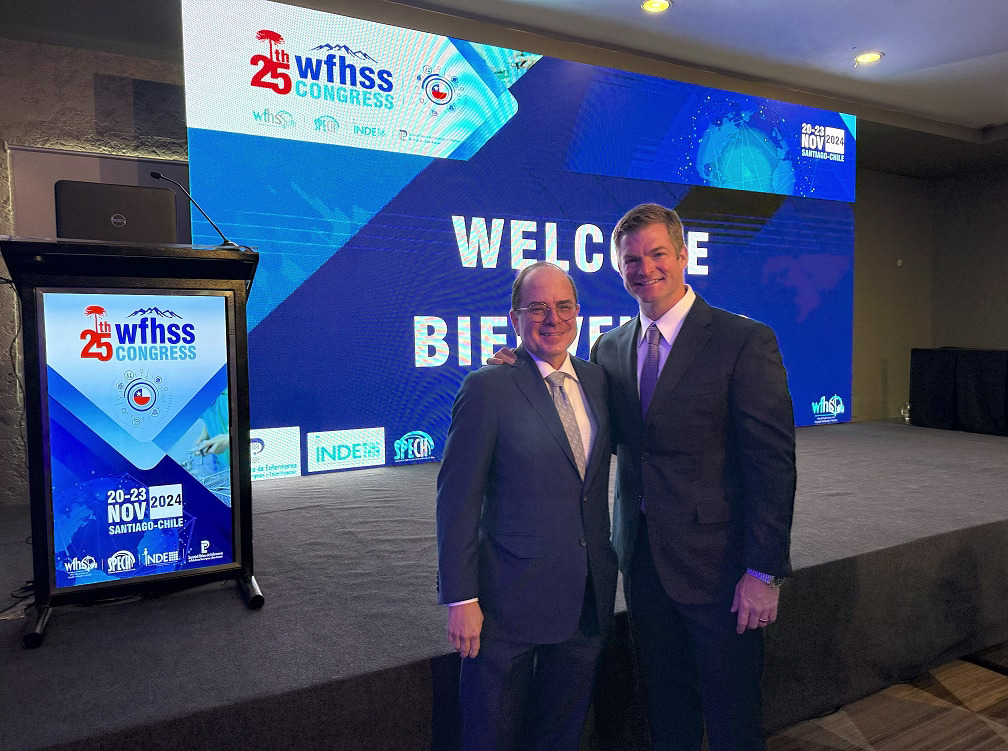
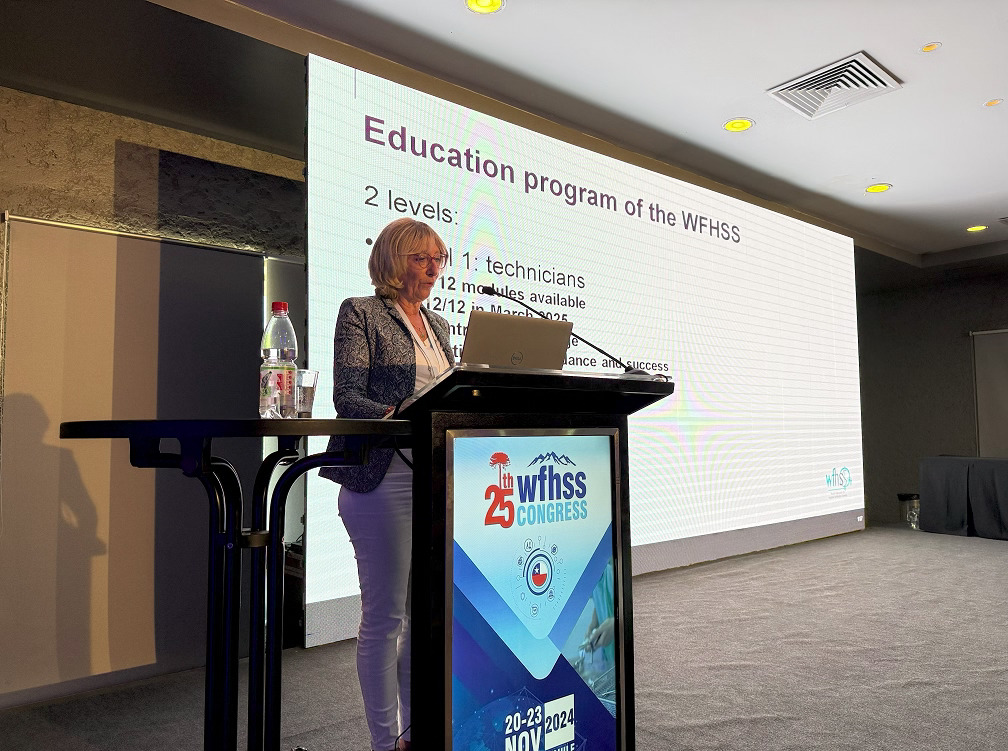
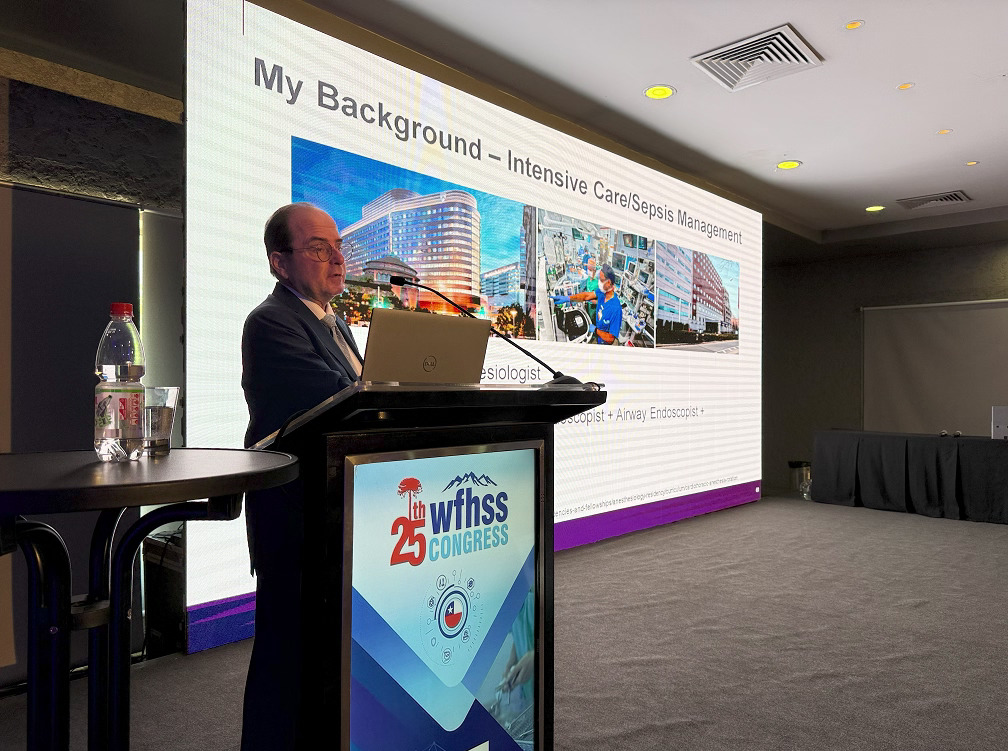
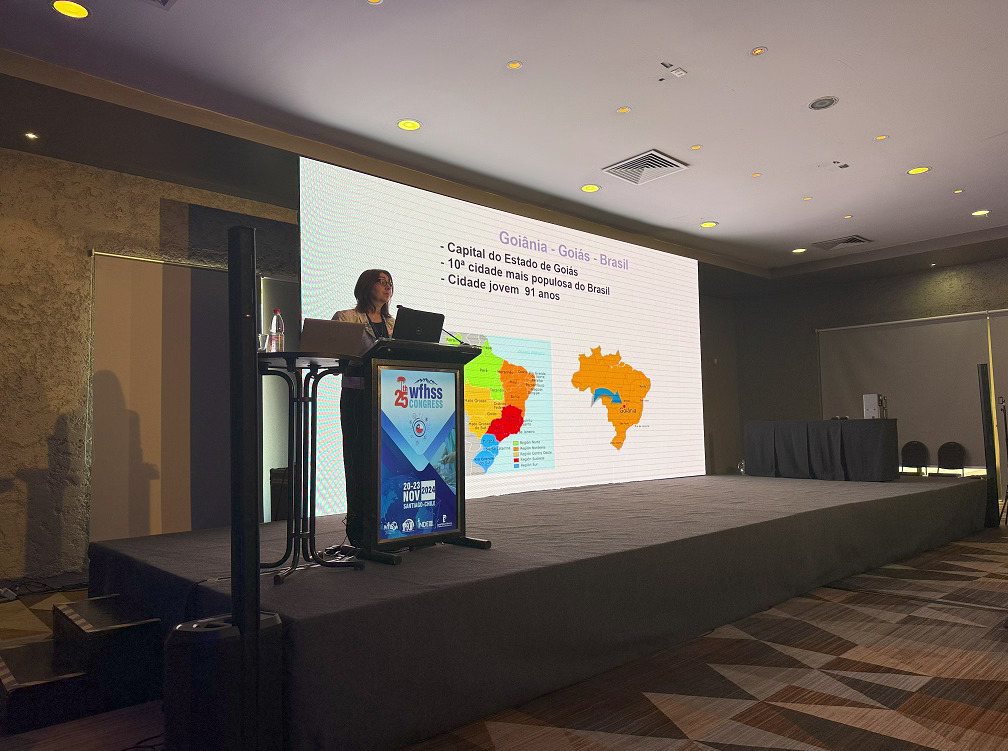
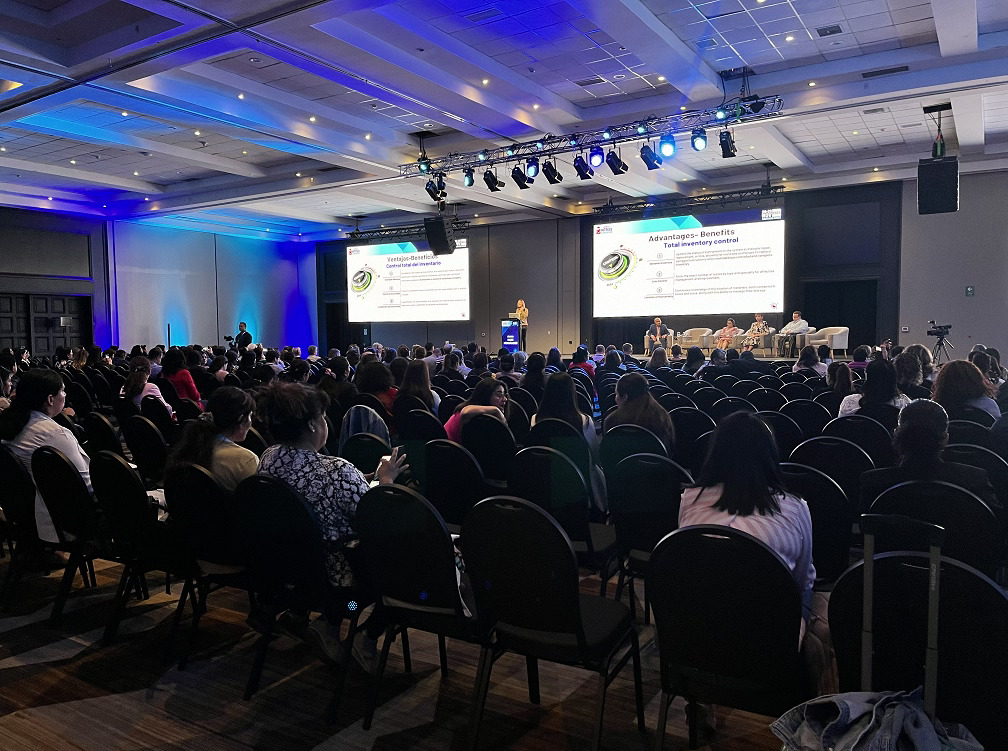
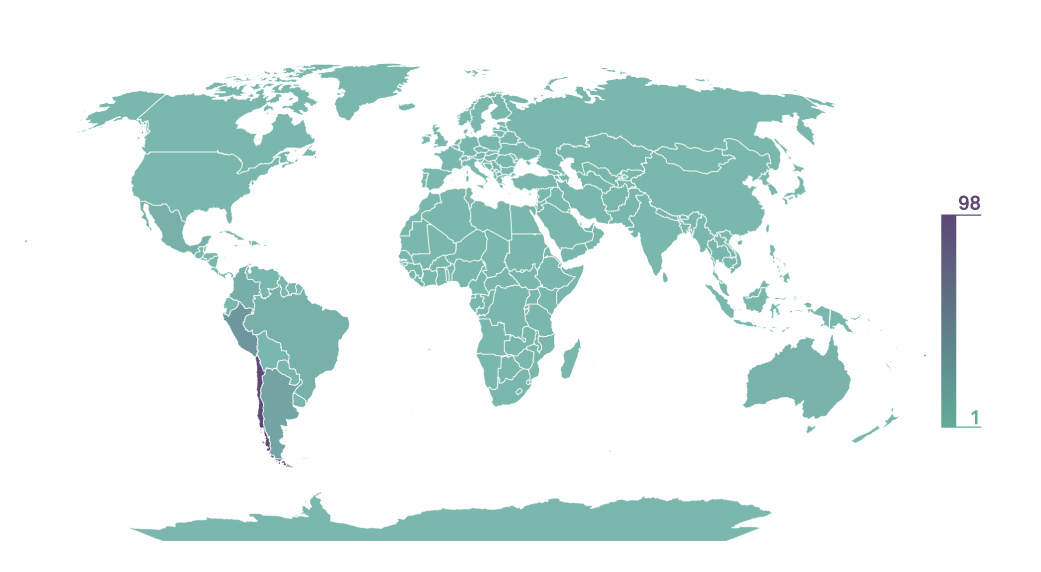
Here are the symposium’s assets

NOTE: This educational content has been reviewed, validated and accredited by: 
References:
- Global guidelines for the prevention of surgical site infection, second edition. Geneva: World Health Organization; 2018. (pag.27 3.1 Surgical site infection risk factors: epidemiology and burden worldwide). https://www.who.int/gpsc/ssi-prevention-guidelines/en/
- Prevalence of healthcare-associated infections, estimated incidence and composite antimicrobial resistance index in acute care hospitals and long-term care facilities: results from two European point prevalence surveys, 2016 to 2017 (Pag. 7, Table 3) https://www.eurosurveillance.org/content/10.2807/1560-7917.ES.2018.23.46.1800516
- Special Report Top 10 Patient Safety 2020 – Executive-Brief, ECRI, page 9, 5. Device Cleaning, Disinfection, and Sterilization. https://www.ecri.org/landing-top-10-patient-safety-concerns-2020
- Ofstead, C. L., Buro, B. L., Hopkins, K. M., Eiland, J. E., Wetzler, H. P., & Lichtenstein, D. R. (2020). Duodenoscope-associated infection prevention: A call for evidence-based decision making. Endoscopy international open, 8(12), E1769–E1781. https://doi.org/10.1055/a-1264-7173
- Scoping the problem – endoscopy associated infections – The Lancet Gastroenterology & Hepatology (www.thelancet.com/gastrohep Vol 3 July 2018)
- Dancer, S. J., Stewart, M., Coulombe, C., Gregori, A., & Virdi, M. (2012). Surgical site infections linked to contaminated surgical instruments. The Journal of hospital infection, 81(4), 231–238. https://doi.org/10.1016/j.jhin.2012.04.023. Journal Hosp Infection 2012 Aug;81(4):231-8.doi:10.1016/j.jhin.2012.04.023. Epub 2012 Jun 15.
- Southworth P. M. (2014). Infections and exposures: reported incidents associated with unsuccessful decontamination of reusable surgical instruments. The Journal of hospital infection, 88(3), 127–131. https://doi.org/10.1016/j.jhin.2014.08.007
- Tosh, P. K., Disbot, M., Duffy, J. M., Boom, M. L., Heseltine, G., Srinivasan, A., Gould, C. V., & Berríos[1]Torres, S. I. (2011). Outbreak of Pseudomonas aeruginosa surgical site infections after arthroscopic procedures: Texas, 2009. Infection control and hospital epidemiology, 32(12), 1179–1186. https://doi.org/10.1086/662712
- https://ellenmacarthurfoundation.org/topics/circular-economy-introduction/overview
- G.M. Kane, C.A. Bakker, A.R. Balkenende. Towards design strategies for circular medical products. Resources, Conservation and Recycling, Volume 135, 2018, Pages 38-47, https://doi.org/10.1016/j.resconrec.2017.07.030)
- McCreanor, V., & Graves, N. (2017). An economic analysis of the benefits of sterilizing medical instruments in low-temperature systems instead of steam. American journal of infection control, 45(7), 756–760. https://doi.org/10.1016/j.ajic.2017.02.026